

The Caffeinated Gear Team
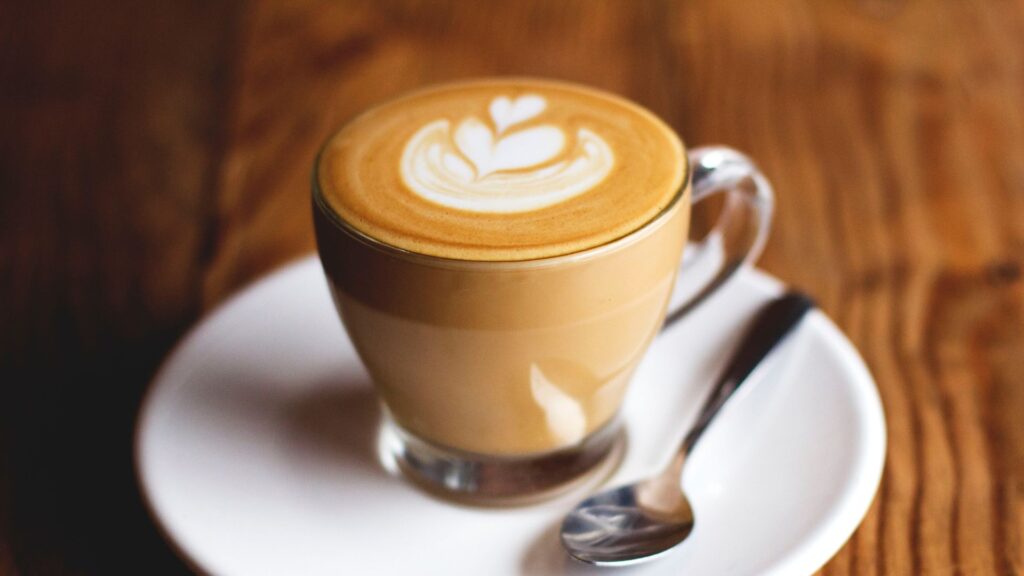
Picking between a cortado and cappuccino might seem daunting at first glance.
As professional baristas and coffee experts, we’re here to break down these two beloved espresso drinks in a way that makes sense – whether you’re a home brewing enthusiast or simply curious about expanding your coffee horizons.
Let’s start with clear definitions of both drinks before diving into their unique characteristics:
Picture this: a perfectly pulled espresso shot married with just the right amount of silky steamed milk. That’s a cortado in its essence. The name comes from the Spanish word for “cut,” as the espresso is “cut” with warm milk. These compact powerhouses typically come in at four to six ounces, with ratios ranging from 1:1 (espresso to milk) to 1.5:1 (milk to espresso).
While we’re comparing cortado vs cappuccino today, it’s worth noting that the cortado’s closest relative is actually the espresso macchiato. Think of a cortado as a macchiato’s creamier cousin, made with velvety microfoam instead of stiff foam. For newcomers to the drink, imagine a more concentrated version of a flat white, and you’re on the right track.
The cappuccino comes in two distinct styles, reflecting the evolution of coffee culture: the traditional (second wave) and contemporary specialty (third wave) versions.
Modern specialty coffee has redefined the cappuccino from its traditional roots. In the specialty coffee world, today’s cappuccino is more compact and features a more integrated milk texture compared to its predecessor.
Interestingly, the World Barista Championship previously specified cappuccinos as 5-6 oz drinks requiring perfect harmony between a single espresso shot and milk, with no additional toppings allowed.
The 2023 competition rules have evolved, with the SCA (Specialty Coffee Association) removing specific milk drink categorisations. This change reflects the coffee community’s recognition that these drinks exist on a spectrum rather than in rigid categories.
Nevertheless, competition guidelines still emphasise using a single shot of espresso and achieving that crucial harmonious balance between coffee and milk. This means competition cappuccinos tend to be smaller with a smoother, more integrated texture than what many consider a “traditional cappuccino.”
Let’s explore how these two drinks compare and contrast:

Both drinks belong to the family of milk-based espresso beverages (what we affectionately call “milkies”), alongside flat whites, lattes, macchiatos, and their variations. They share the fundamental combination of espresso and textured milk.
Through our extensive testing and preparation of both drinks, we’ve found that fancy graphics showing exact percentages of espresso, milk, and foam can be misleading. The reality is more nuanced, varying with milk type, cafe style, and individual barista technique.
In our experience, what truly sets these drinks apart comes down to two key factors: intensity and texture.
The intensity of these drinks primarily relates to their espresso-to-milk ratio. But first, let’s clear up a common misunderstanding about coffee “strength.”
In the commercial coffee world, “strength” often gets confused with roast level. Our speciality coffee background compels us to point out that this oversimplifies the complexity of coffee flavour profiles.
Regarding intensity, cappuccinos and cortados occupy different positions on the spectrum. While cappuccinos can range from 5 to 20 ounces (think high street coffee chains), cortados maintain a consistent 4-6 ounce serving size. This makes cortados inherently more concentrated, offering a bolder coffee experience.

Through our daily preparation of both drinks, we’ve observed distinct differences in milk texture. Cortados showcase silky microfoam that seamlessly blends with the espresso. Meanwhile, cappuccinos typically feature a more pronounced foam layer – particularly noticeable in traditional preparations.
While both drinks can vary in size, cortados typically maintain their compact 4-6 ounce serving size. Cappuccinos show more variation, though specialty coffee shops tend to serve smaller versions compared to commercial chains.
For home brewers, we always emphasise that these guidelines are just that – guidelines. With your own espresso machine, you’re free to experiment and find your perfect ratio.
After extensive testing in our coffee lab, we’ve discovered some brilliant ways to create these beloved drinks at home using simple equipment. For a cappuccino, all you need is a French press – and the same goes for a cortado, with just a slight adjustment to your milk frothing technique. Instead of vigorous plunging for cappuccino-style foam, use gentler, shorter pulses to achieve that silky cortado texture.
When comparing these two drinks, it’s all about the ratio of espresso to milk. Through our testing of hundreds of coffee shop variations, we’ve found that cortados consistently deliver a more concentrated coffee flavour. While cappuccinos can vary quite a bit in their composition, a cortado typically maintains a higher proportion of espresso to milk, resulting in a more intense coffee experience.
While these drinks might look similar at first glance, they’re distinct beverages with their own characteristics. Our barista team has found that cortados typically offer a more concentrated flavour and come in slightly larger servings. The milk texture is remarkably similar between the two, making them closer cousins than either is to a cappuccino or latte.
Simply put, yes – you’ll get a more pronounced coffee flavour from a cortado. This comes down to the fundamental recipe: cortados maintain a higher ratio of espresso to milk compared to lattes, giving you a more concentrated coffee experience.
This question isn’t as straightforward as it might seem. Based on our extensive testing, it really depends on the number of espresso shots used. While cortados typically feature a double shot, cappuccinos can vary – some cafés use singles, others doubles. A double-shot cappuccino will have roughly the same caffeine content as a double-shot cortado, even though it might taste milder due to the higher milk content.
The word ‘roughly’ is important here – we’ve found significant variations across coffee shops. Different establishments use varying doses of coffee in their portafilters, and bean selection plays a crucial role too. For instance, Robusta beans contain approximately twice the caffeine of Arabica varieties. A blend with 20% Robusta will naturally pack more of a caffeine punch than a pure Arabica espresso.
While both drinks are closer relatives than a cortado and cappuccino, they each have distinct characteristics. The key lies in their names: ‘macchiato’ (Italian for ‘stained’) indicates espresso marked with textured milk, while ‘cortado’ (Spanish for ‘cut’) describes espresso blended with milk. From our testing, we’ve found macchiatos typically feature drier milk foam, while cortados showcase that signature flat-white-style silky texture that seamlessly integrates with the espresso.
In our experience testing drinks across hundreds of coffee shops, we’ve noticed that lattes and cappuccinos tend to be more generous in volume and mellower in taste compared to cortados. The milk texturing techniques vary depending on where you get your coffee. At speciality coffee shops, you’ll find subtle differences between these drinks. However, if you’re used to high street chains (where cortados rarely appear on menus), you might be surprised by the velvety texture of a speciality shop’s cortado – it’s worlds apart from the frothy, bubble-bath consistency you might find elsewhere.
The name has a practical origin – ‘cortado’ comes from the Spanish word meaning ‘cut’ or ‘cutting’. This perfectly describes how the milk is meant to blend into the espresso, creating a harmonious mixture. It’s quite different from a macchiato, where the milk simply ‘stains’ the espresso rather than fully incorporating into it.
Caffeinatedgear.com is a participant in the Amazon Services LLC Associates Program, an affiliate advertising program designed to provide a means for sites to earn advertising fees by advertising and linking to amazon.co.uk.
© 2025 Caffeinated Gear.