

By: The Caffeinated Gear Team
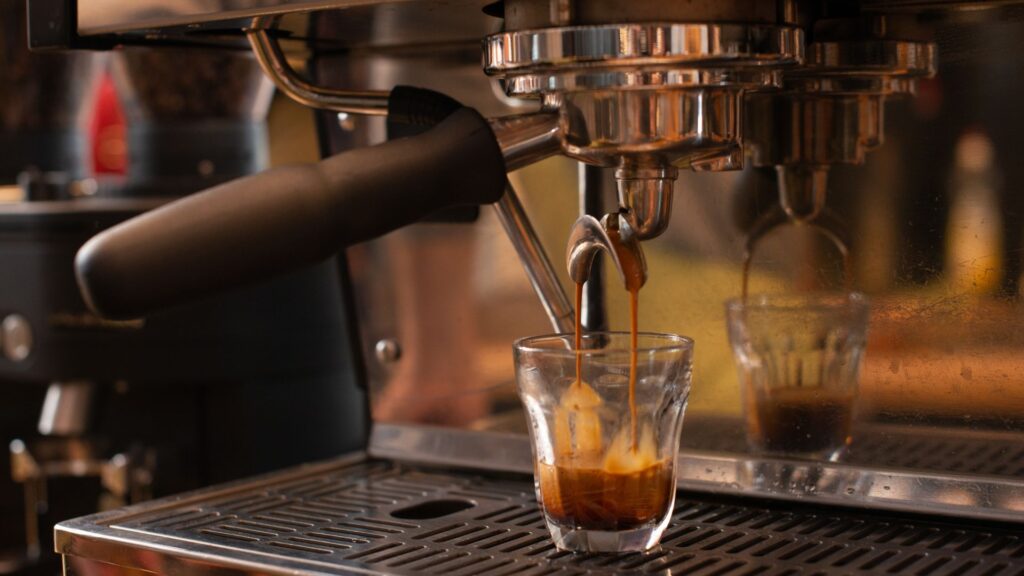
Think you know everything about Nespresso machines and their famous coffee capsules? While millions enjoy these convenient coffee makers daily, there’s more to the story than George Clooney’s charming adverts and Nestlé’s clever marketing. We’ve discovered some fascinating insights that might surprise even seasoned Nespresso users.

Let’s clear up a common misconception: despite the name, Nespresso isn’t technically traditional espresso. As coffee experts, we need to explain why this matters.
While we genuinely appreciate Nespresso machines for what they offer, they create a unique brewing experience that’s distinct from classic espresso. Here’s what makes us recommend them for specific situations:
Here’s where things get interesting from a technical perspective: Nespresso deliberately creates a different coffee experience than traditional espresso. Not everyone craves the intense, full-bodied characteristics of classic espresso – some prefer Nespresso’s gentler approach to strong coffee.
What Eric Favre created wasn’t just a compact espresso machine – it was an entirely new brewing system. His innovation produced quick, concentrated coffee using similar principles to espresso machines but with crucial differences that created a distinct taste profile.
The numbers tell the story quite clearly. After extensive testing in our lab, we found these key differences:
The pressure hits 19 bar in Nespresso machines versus the traditional 9 bar in espresso machines.
The coffee-to-water ratio is dramatically different: Nespresso uses roughly 5g of coffee to 40g of water (1:8), while traditional espresso typically uses 18g of coffee to 36g of water (1:2).
Speed is another crucial factor – Nespresso achieves its brew in about 12 seconds, compared to the 28-32 seconds we target for traditional espresso shots.
For those interested in the science behind these differences, we recommend checking out James Hoffman’s detailed Nespresso analysis.
While Nestlé might own Nespresso today, the invention’s origin story reads like a brilliant entrepreneurial thriller. We’re honestly surprised Hollywood hasn’t picked it up yet.
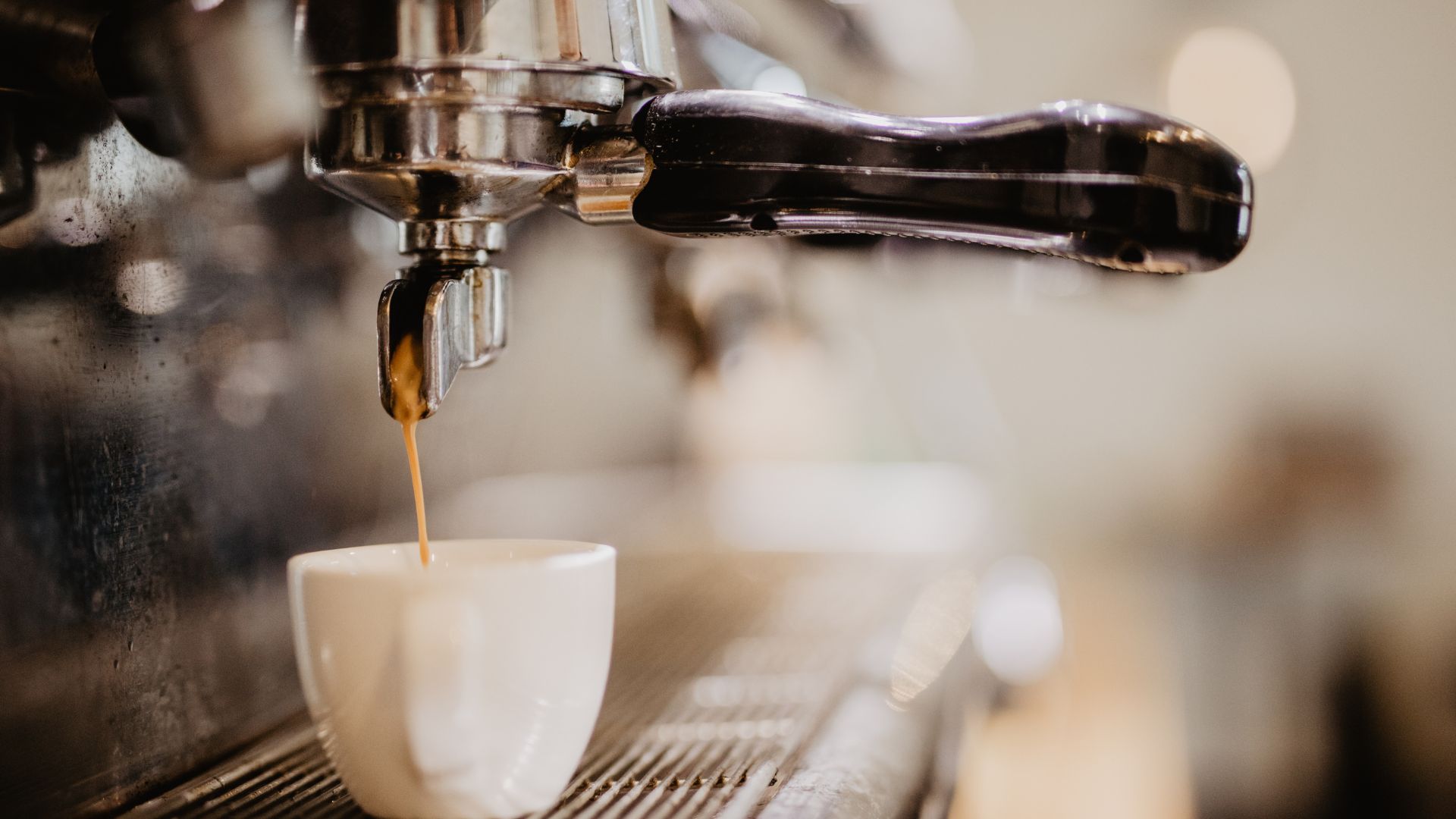
Meet Éric Favre – the brilliant mind who transformed home coffee brewing. As a young Swiss engineer with inventive genes (his father was also an inventor), Favre found himself challenged by his Italian wife’s criticisms of Swiss coffee. Instead of accepting defeat, he embarked on a mission to revolutionise home coffee making.
His journey showcases remarkable determination. After researching extensively in Italian cafes, Favre didn’t just dream up ideas – he built working prototypes. But here’s where it gets fascinating: he strategically took an entry-level position in Nestlé’s packaging department, planning to work his way up to pitch his invention.
Initially, Nestlé completely rejected his idea. They saw no market for premium home coffee machines and worried it might hurt their existing coffee business. But Favre persisted.
Eight years later, as a Nestlé food scientist in Japan, he finally got his breakthrough moment. The Japanese team saw the potential that others had missed, and Nespresso was born, with Favre as its first CEO.
We often hear people wondering if Nespresso pods contain instant coffee, given their remarkably quick brewing time. As coffee experts, we can definitively say: absolutely not. Every Nespresso capsule contains carefully ground coffee beans – no instant coffee in sight.
The lightning-fast 12-second extraction might seem unbelievable compared to the several minutes needed for filter coffee or cafetiere brewing. The secret lies in that powerful 19-bar pressure system, which forces water through the grounds at high speed while still extracting excellent flavour.
For clarity, we should note that instant, soluble coffee is only found in specific Nescafé Dolce Gusto pods, particularly their Cappuccino Ice, Mocha, and Café au Lait varieties.
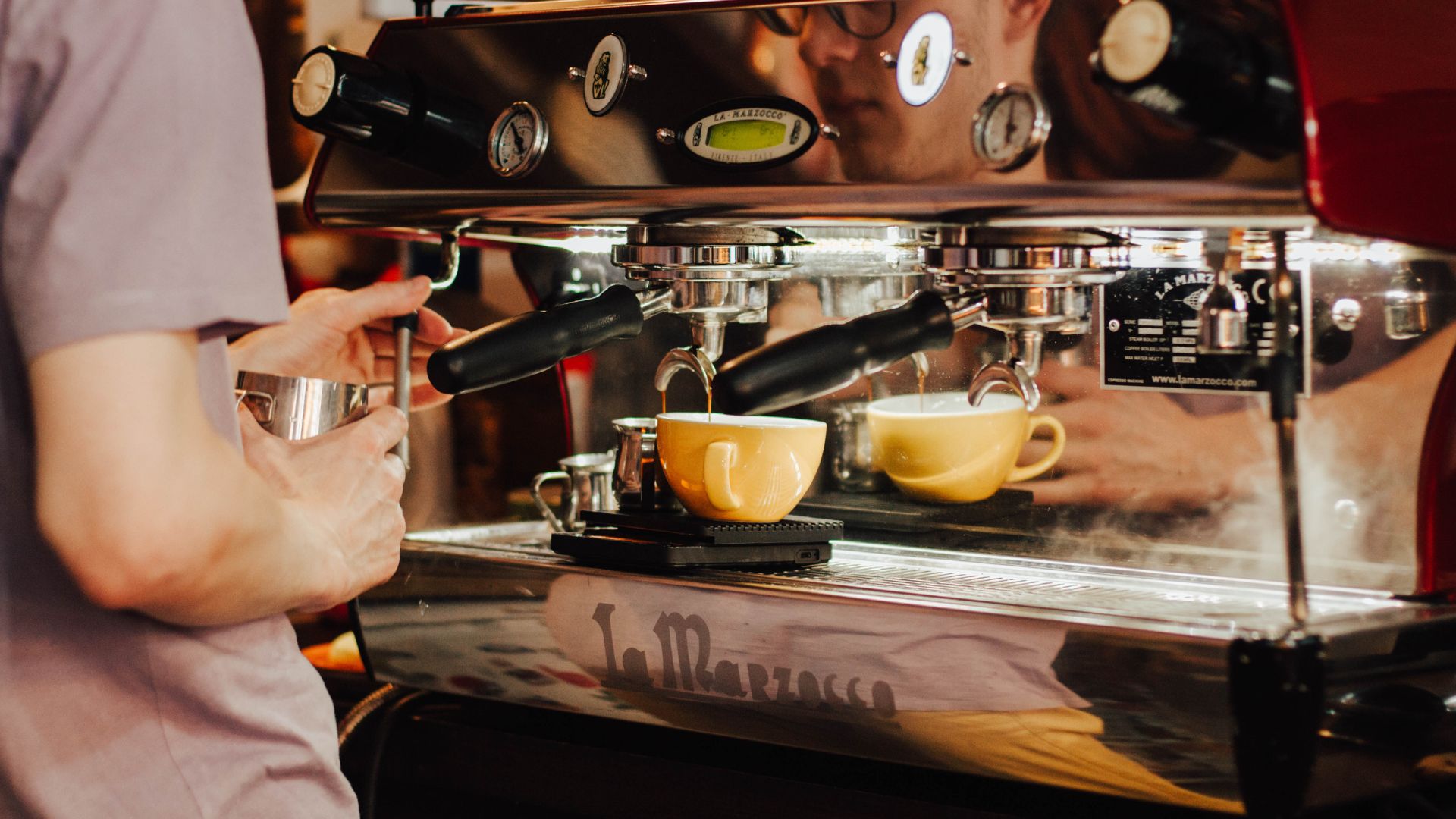
Using a Nespresso machine doesn’t have to be damaging for the environment. Credit: rainforest-rescue.org
In a candid admission, Nespresso machine creator Éric Favre shared his deepest regret about the coffee capsule industry he pioneered: the substantial environmental impact of aluminium usage.
This concern prompted his departure from Nespresso to develop “Monodor”, a system using alternative pod materials. While the Monodor name might not ring any bells, its technology has been licensed worldwide since the early 1990s, including the well-known Lavazza capsule machines.
The crux of the environmental issue lies in Nespresso’s reliance on aluminium capsules. This creates two significant problems: the destructive mining of raw materials and the challenge of waste disposal, as these pods can’t be processed in standard recycling facilities due to their mixed aluminium-plastic composition.
The production of aluminium requires bauxite, primarily sourced from tropical and subtropical regions. With billions of coffee pods manufactured yearly, the increasing demand for bauxite ore has led to widespread rainforest destruction.
The disposal problem compounds the issue. These mixed-material pods often end up in landfills, where they might take five centuries to break down. Even conscientious cleaning of standard Nespresso pods won’t help – standard recycling facilities simply can’t process them.
We’re looking at a double environmental hit: damage during production and problems after use.
Nespresso has introduced some recycling initiatives, offering recycling bags that can be dropped at numerous CollectPlus points across the UK or at Nespresso Boutiques.
While Nespresso markets aluminium as “infinitely recyclable”, the reality is more complex. The combination of aluminium and plastic requires specialised recycling facilities, which is why these pods must return to Nespresso for proper processing.
However, we’ve discovered that you can enjoy your Nespresso machine while being environmentally conscious by choosing alternative compatible capsules.
Several compatible manufacturers are tackling the recycling challenge head-on.
Take Pact coffee, for instance. They’ve launched innovative 100% Aluminium capsules that allow you to compost the used coffee and recycle the empty pods with your regular household recycling.
Some manufacturers are pioneering truly sustainable solutions. We’ve tested the Eden Project fully compostable Nespresso compatible coffee pods, which avoid both aluminium and plastic. You can simply add the entire pod to your compost or food waste bin.
These innovative pods are available on Amazon, in Waitrose stores, and through the Eden shop.
While Nespresso currently maintains its aluminium-based approach, we believe increasing consumer preference for eco-friendly compatible pods might influence future company decisions.
For more information, see Stop trashing the rainforest for Nespresso coffee pods! & Former Nespresso Boss Warns Coffee Pods are Killing Evironment.
While both brands fall under the Nestlé umbrella, Nespresso and Nescafé operate as distinctly different entities. Our research shows they use separate coffee bean sources and follow completely different business models.
When Nespresso was first conceived, Nestlé initially rejected the concept, worried about potential competition with their established Nescafé brand. The eight-year gap between the initial pitch and Nestlé’s eventual acceptance suggests they realised these brands would attract entirely different market segments.
This strategic decision proved sound. Our analysis of current market trends shows that instant coffee continues to thrive alongside capsule systems. According to Statista, UK instant coffee sales are growing at an impressive 5.9% rate.

In 2013, British manufacturer Dualit took on a remarkable challenge against Nestlé, defending their right to produce compatible capsules and compatible machines. Nestlé claimed patent infringement, leading to a classic David versus Goliath legal confrontation.
An image from the patent in question.
The scale of this challenge was immense. Dualit, with assets of approximately £8 million, faced off against Nestlé’s might, backed by their £8 billion profit margin. Despite being outnumbered five to one in legal representation, Dualit invested £1 million in the fight – and won.
This victory proved crucial for the coffee industry. Without Dualit’s successful defence, today’s diverse range of compatible capsules might not exist. Their triumph opened doors for smaller coffee roasters and manufacturers to create Nespresso-compatible options without fear of legal repercussions.
Caffeinatedgear.com is a participant in the Amazon Services LLC Associates Program, an affiliate advertising program designed to provide a means for sites to earn advertising fees by advertising and linking to amazon.co.uk.
© 2025 Caffeinated Gear.