

Written by The Caffeinated Gear Team
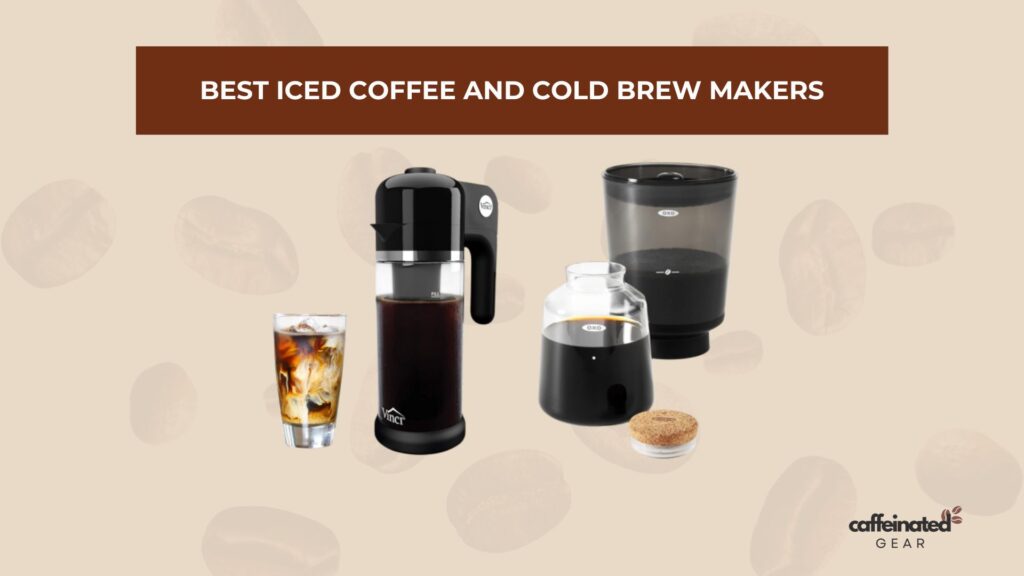
Looking for the perfect way to make refreshing cold coffee drinks at home? Whether you’re searching for an iced coffee maker or a cold brew system, our team of certified baristas has thoroughly tested dozens of options to help you make the right choice. After months of hands-on testing, we’ve compiled this comprehensive guide to the finest cold coffee brewing equipment available.
Before diving into our top picks, let’s answer the most crucial question that many coffee enthusiasts ask us:
While both drinks offer a refreshing coffee experience, they’re fundamentally different in their brewing methods and flavour profiles. Through our extensive testing and professional experience, we’ve found these distinctions significantly impact your final cup.
Cold brew relies on time rather than heat, using room temperature or cold water to slowly extract coffee’s flavours over several hours. The result? A naturally smooth, sweet cup with minimal acidity and practically no bitterness. It’s perfect for coffee purists who want to savour subtle flavour notes.
Iced coffee, by contrast, starts with hot-brewed coffee that’s then rapidly cooled. This traditional hot extraction brings out more bright, acidic notes. We’ve discovered it’s particularly brilliant for crafting indulgent drinks like iced lattes or mocha frappes, where the coffee needs to stand up to milk and sweeteners.
If you’re planning to mix your coffee with milk, syrups, or other ingredients, we recommend going the iced coffee route. You’ll get your drink in minutes rather than hours, and the stronger flavour profile works wonderfully in mixed beverages. However, for pure coffee enjoyment or cocktail bases, our testing consistently shows that cold brew offers superior results.
After rigorous testing, we’ve identified the top iced coffee makers for home use. One important note: if you own an espresso machine, you already have an excellent iced coffee
Most dedicated iced coffee makers use a concentrated drip brewing method rather than true espresso, simply because it’s more cost-effective to manufacture. For typical iced coffee drinks with milk and flavourings, we’ve found these machines produce perfectly acceptable results.
Here are our top recommendations based on extensive testing:
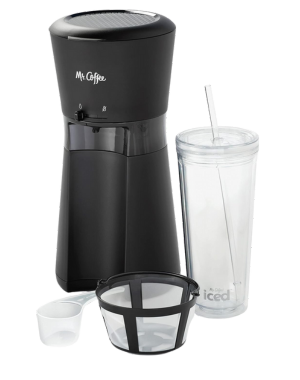
Through our testing, we’ve found this popular Mr. Coffee model offers solid value for casual iced coffee enthusiasts. While it’s marketed as an iced coffee maker, we should be clear: this machine produces concentrated drip coffee rather than espresso.
The brewing process is straightforward – it creates a stronger-than-normal filter coffee that’s designed to stand up to ice dilution. Without a milk frother included, you’ll need a separate device for proper iced lattes or cappuccinos. However, given the reasonable price point, adding a quality milk frother still keeps the total cost competitive.
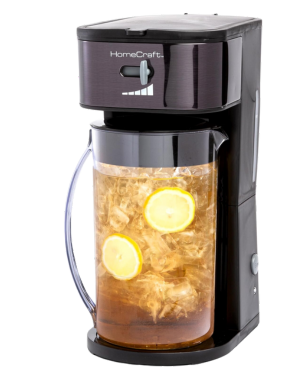
As professional baristas, we need to be honest about this dual-purpose brewer. While it’s marketed for both coffee and tea, our testing revealed some practical concerns. The nylon filter tends to retain coffee oils, which can affect the taste of tea brewed subsequently. We recommend choosing one beverage type and sticking to it.
The construction is primarily plastic with cosmetic stainless steel elements – perfectly reasonable at this price point, but important to note if you’re expecting an all-metal build. Like the Mr. Coffee model, this produces concentrated drip coffee rather than espresso, and you’ll need a separate milk frother for specialty drinks.
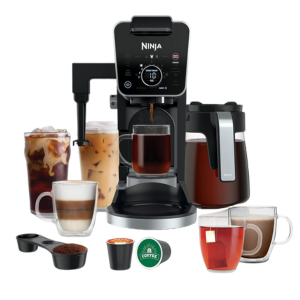
In our extensive testing, the Ninja CFP 301 emerged as a versatile option for iced coffee enthusiasts. Its built-in cold milk frother sets it apart from basic models, making it particularly suitable for creating iced lattes and cappuccinos.
We appreciate its dual brewing capabilities – accepting both ground coffee and K-cups – and its range of customisation options. The integrated cold frother, while not producing hot foam, delivers consistent results for cold drinks. For hot milk drinks, you’ll need to heat your milk separately.
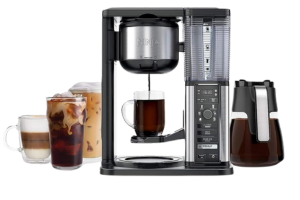
The CM401 shares many features with its sibling, the CFP 301, but focuses solely on ground coffee brewing. While it’s reportedly SCA certified, we couldn’t verify this on current listings. However, our testing shows it produces consistently good concentrated coffee for iced drinks.
Its fold-away cold milk frother performs reliably, and the overall build quality impressed our team. While specialty coffee enthusiasts might want more control over their brewing parameters, we found this machine ideal for everyday iced coffee drinks.
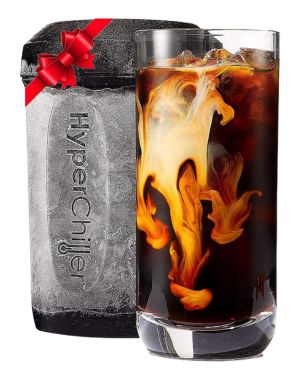
While not strictly a coffee maker, this innovative cooling device earned its place in our testing. The HyperChiller’s dual-chamber ice system rapidly cools hot coffee without dilution – a significant advantage over traditional icing methods.
We’ve successfully used it with various brewing methods – pourover, French press, and Aeropress. When paired with a cold milk frother, it’s surprisingly versatile for creating iced specialty drinks. Its versatility extends beyond coffee – though we recommend dedicating it to one beverage type for best results.
Moving from rapid cooling to slow extraction, here are our top cold brew maker recommendations based on extensive testing:
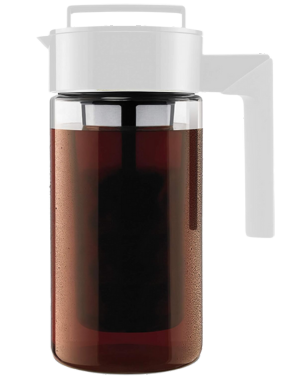
Through months of testing, we’ve discovered why this Takeya model has earned thousands of positive reviews. The fine-mesh nylon filter consistently produces clean, sediment-free cold brew, while the BPA-Free Tritan pitcher proves remarkably durable.
We particularly appreciate their specialist approach – using different mesh sizes for coffee versus tea brewers. This attention to detail prevents flavour cross-contamination, a common issue with multi-purpose brewers. The leakproof lid performed flawlessly in our leak tests, making this an excellent choice for storing cold brew in the fridge.
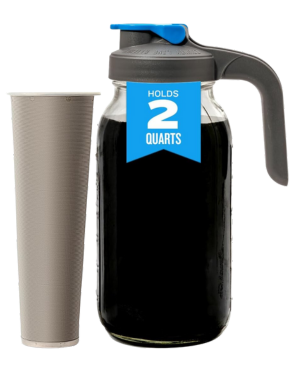
During our extensive testing, this Mason jar cold brewer stood out for its brilliant simplicity and robust construction. The wide-mouth Mason jar design isn’t just charming—it’s incredibly practical. The combination of a durable glass carafe with a premium stainless steel filter creates a cold brewing powerhouse that’s built to last.
What truly impressed our testing team was the exceptional value proposition. It’s rare to find a product that achieves such widespread acclaim across thousands of reviews. The manufacturers have struck an impressive balance between quality materials and affordability, delivering a cold brewer that consistently exceeds expectations.
For those specifically seeking a glass-based cold brew system (and many coffee enthusiasts do prefer glass over plastic), this brewer takes top honours in our testing. The price point is spot-on for the quality of materials used, and the overwhelmingly positive user feedback confirms our professional assessment.
A particularly clever feature is the use of a standard wide-mouth Mason jar as the carafe. Should you ever need a replacement, any compatible Mason jar will do the job—making this one of the most practical and cost-effective options for long-term use.
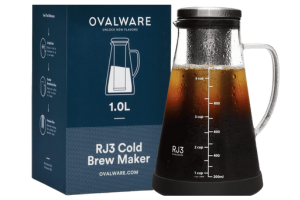
This elegant cold brewer shares some DNA with the County Line model—both feature glass carafes and stainless steel filters—but the Ovalware opts for a custom-designed carafe instead of the Mason jar approach. While they market it as “airtight,” our testing suggests this feature might be slightly oversold.
From a practical standpoint, water-tight sealing is the crucial factor for a cold brewer. Most coffee enthusiasts consume their cold brew within 48 hours anyway, making the airtight seal more of a nice-to-have than a necessity.
Sales figures and user feedback paint a positive picture overall. However, our thorough analysis of user experiences revealed two minor concerns. A small number of users mentioned filter mesh size issues, and there were occasional comments about carafe durability. While these concerns represent a tiny fraction of overall feedback, they’re worth noting for potential buyers.
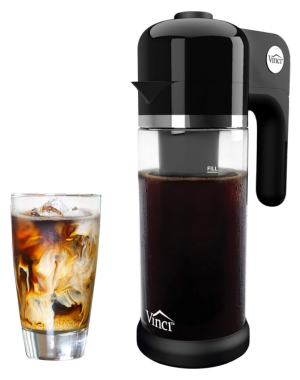
The Vinci Express represents an innovative shift in cold brew technology. Unlike traditional brewers that rely on gravity and time, this clever device employs a pump system to dramatically speed up the extraction process.
Traditional cold brewing typically requires 12-24 hours of patience. The Vinci Express shrinks this down to just 5-25 minutes, depending on your preferred strength setting. While not truly instant, it’s revolutionary compared to overnight brewing methods.
Our testing revealed both strengths and potential areas for improvement. The grind size proves particularly crucial—you’ll need to be quite specific with your coffee grounds for optimal results. We recommend either carefully selecting pre-ground coffee or, better yet, investing in a quality grinder for perfect consistency.
One practical consideration: the brewer works best with room-temperature water. Using cold filtered water means waiting for it to warm up, which somewhat defeats the speed advantage. Additionally, the resulting brew may need chilling unless you’re planning to serve over ice immediately.
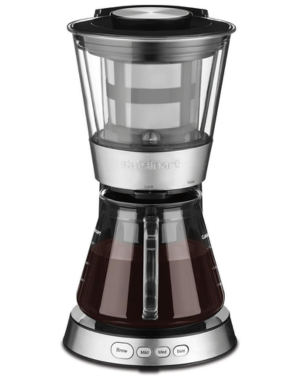
This is our second rapid cold brew maker in the lineup, sharing similar technology to the Vinci Express but with distinct differences in design and execution.
The most notable distinction is the carafe design, which mirrors traditional drip coffee makers. While this might complement your existing kitchen aesthetics, it does present some practical storage challenges—particularly in your refrigerator’s door compartment.
Brewing times range from 25-45 minutes, slightly longer than the Vinci Express. One minor frustration we encountered during testing was Cuisinart’s decision to measure capacity in cups rather than standard fluid measurements. After thorough testing, we confirmed the capacity at 1.3 quarts.
User feedback suggests most customers are satisfied with the cold brew quality compared to traditional overnight methods. The convenience factor clearly outweighs any subtle differences in taste for many users.
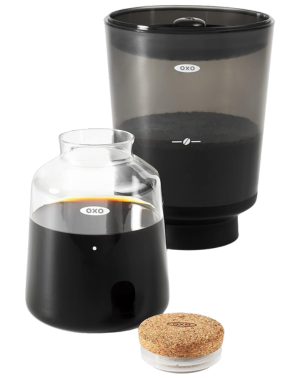
The OXO cold brewer caught our attention with its distinctly professional aesthetic. The cork lid and uniquely shaped glass carafe give it a specialty coffee shop presence that many other brewers lack.
What really impressed our testing team was the ingenious nesting design. Every component tucks neatly inside the main brewer body for storage—a brilliant solution to the common problem of misplacing crucial parts. This design also provides excellent protection for the borosilicate glass carafe.
While the capacity is smaller than some competitors, the quality of cold brew it produces consistently impressed our tasting panel. Recent models address previous concerns about replacement carafes, with spare parts now readily available.
For authentic iced coffee drinks like iced lattes and cappuccinos, espresso machines remain the gold standard. However, we understand that not everyone wants to invest in professional espresso equipment. That’s why manufacturers have developed more affordable alternatives that produce concentrated drip coffee specifically for iced drinks.
While you’ll often see terms like “iced latte maker” or “iced cappuccino maker” in product descriptions, these are marketing terms rather than technical classifications. These machines typically produce concentrated coffee rather than true espresso. Similar confusion exists with bean-to-cup machines, sometimes called latte machines or cappuccino machines.
The short answer is no—not in the sense of a single machine that produces both coffee and ice in one step. Even high-end automatic coffee makers that advertise iced coffee features typically just adjust brewing temperature and time rather than actually producing chilled coffee.
Not necessarily. The key components for making iced coffee drinks are: a method to brew strong coffee (whether espresso or concentrated drip), ice, and for drinks like iced lattes or cappuccinos, a way to cold-froth milk. Add a blender if you’re keen on frappuccino-style drinks.
Professional cafes typically use espresso as their iced coffee base. A traditional iced latte combines espresso with cold milk, while a proper iced cappuccino should include cold-frothed milk.
Hot Latte, yes, please!
Many high-street coffee chains actually skip the milk frothing step for their iced drinks. In our view, a true iced latte should mirror its hot counterpart—just with cold frothed milk and optional ice.
While espresso-based iced coffee offers the most authentic café experience, we recognise that espresso machines represent a significant investment. Most popular iced coffee makers use concentrated drip brewing instead, which satisfies most casual coffee drinkers, particularly when combined with syrups and other flavourings.
Both methods work, but room temperature brewing offers faster extraction. Refrigerator brewing requires longer steeping times due to slower extraction at lower temperatures.
For pre-ground coffee, choose a coarse grind. However, our testing consistently shows that grinding your own beans provides the best results and greatest control over your cold brew. Even a basic burr grinder will suffice for cold brew—no need for premium equipment.
One crucial tip from our expert team: the quickest way to improve your cold brew is to upgrade your coffee beans. Skip the supermarket and visit your local coffee roaster. Tell them you’re brewing cold brew, and they’ll recommend beans that will transform your drink.
Caffeinatedgear.com is a participant in the Amazon Services LLC Associates Program, an affiliate advertising program designed to provide a means for sites to earn advertising fees by advertising and linking to amazon.co.uk.
© 2025 Caffeinated Gear.